Embryonic Mortality
Embryonic mortality is a significant cause of fertility disorders in dairy cows. We distinguish early embryonic loss, which occurs before maternal recognition of pregnancy through the production of interferon tau, and late embryonic loss, which takes place after the hormone has already been secreted.
What is the role of interferon tau?
Interferon tau provides an antiluteolytic signal to the maternal organism, preventing luteolysis of the corpus luteum and insufficient progesterone levels. Adequate progesterone concentration is crucial for embryo implantation and the maintenance of pregnancy.
Cow-related causes:
• Implantation disorders leading to asynchrony between the embryo and the uterine environment
• Infectious diseases, e.g. IBR, BVD, chlamydiosis, or Q fever
• Improper nutrition with excessive protein content, leading to acidification of the uterine environment and a decrease in pH
• Insufficient progesterone levels
• Presence of persistent ovarian follicles
• Endometrial damage
• Abnormal secretory function of the uterine mucosa
• Ovarian cycle disorders and premature ovulations
Embryo-related causes:
• Abnormal embryonic development and maturation
• DUMPS syndrome – a genetic mutation leading to embryonic death around days 35–40 of pregnancy
• Morphological abnormalities of the embryo
• Chromosomal defects of sperm cells
• Genetic defects
• Disorders of chromosomal division
It should also be remembered that embryonic loss may result from errors in hormone administration, such as administering an inappropriate hormone to a pregnant cow, leading to luteolysis of the corpus luteum. This most often occurs due to improperly maintained breeding or reproductive records kept by the farmer.
Consequences of embryonic mortality:
• Reduced female fertility
• Deterioration of reproductive performance indicators, including pregnancy rate (PR)
• Necessity for repeated inseminations
• Disruption of hormonal balance and the ovarian cycle
• Economic losses
Diagnostics:
• First and foremost, thorough evaluation of the ovarian cycle and observed estrous behavior, as well as adjusting the diet to the cows’ production stage, especially during the dry period
• Early pregnancy ultrasound examination to assess pregnancy development and embryo viability
• Monitoring estrus occurrence and its repeatability
• Feed analysis
• Testing for infectious diseases within the herd and implementation of targeted vaccination programs
• Use of reproductive management applications
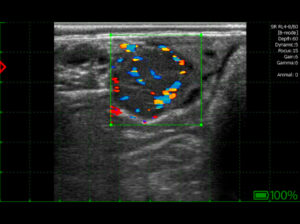
Doppler examination (iScan 3 ultrasound) – visible beating fetal heart.
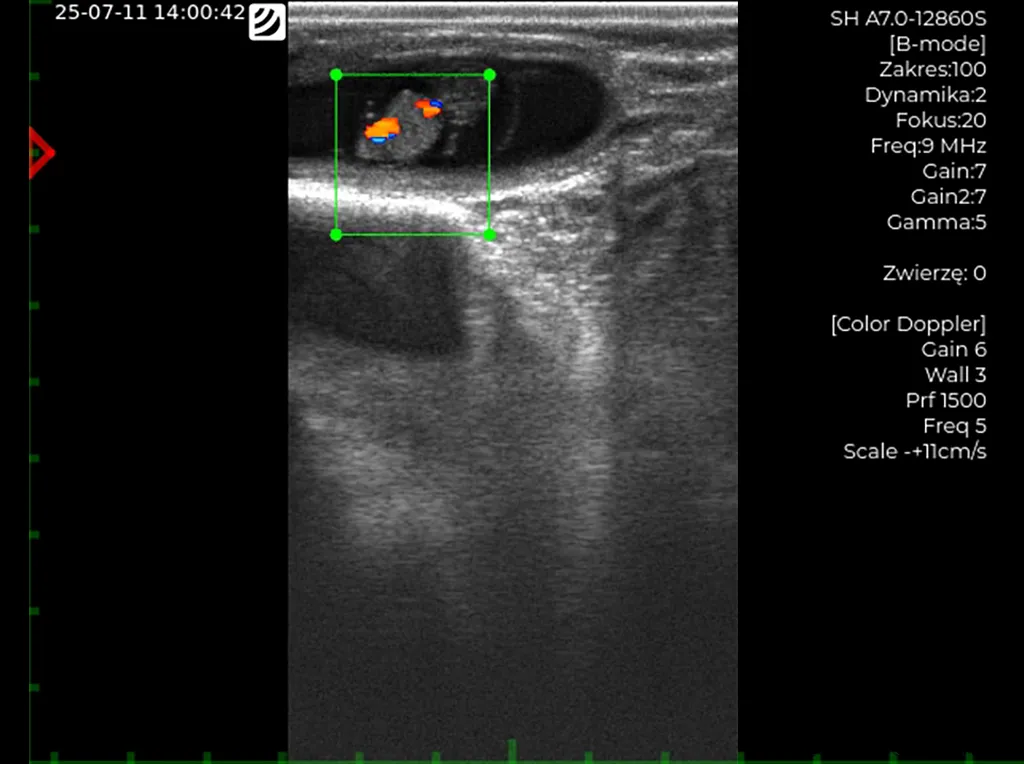
Doppler examination (iScan 3 ultrasound) – no visible beating fetal heartbeat.
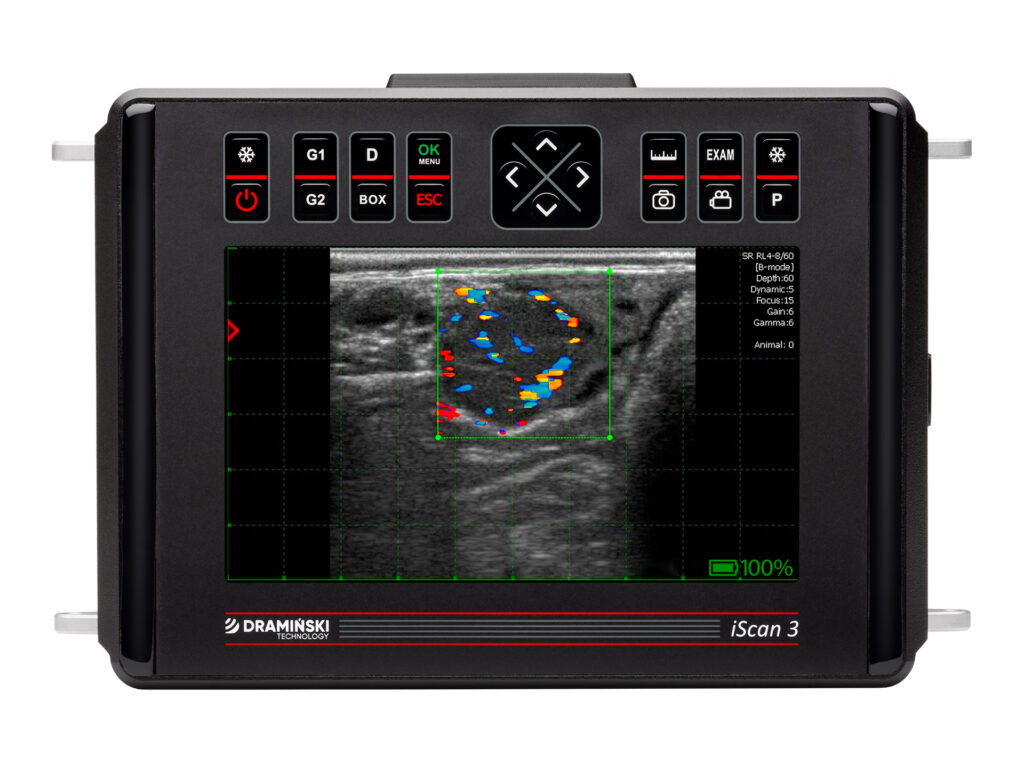
iScan 3 portable ultrasound scanner with built-in Doppler functions, Wi-Fi communication, interchangeable probes and battery operation..
How can we improve the situation?
• Hormonal treatment aimed at normalizing progesterone levels
• Use of intravaginal progesterone-releasing devices
• Implementation of hormonal programs and estrus synchronization
• Administration of GnRH during and after insemination, which increases progesterone concentration and supports maintenance of the corpus lutes

DVM, Michał Barczykowski